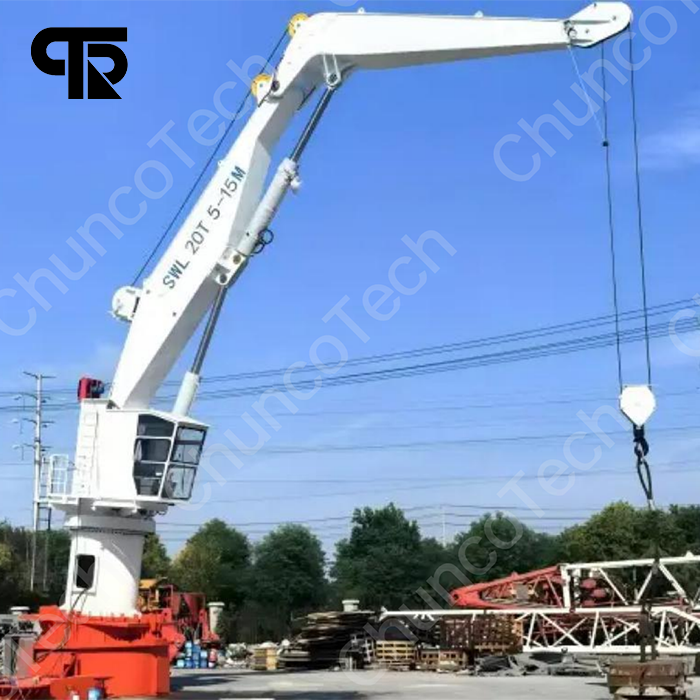
Opting for a lifting device, the resolution often reduces to variflex boom versus telescopic boom. Fixed booms yield uncomplicated nature and are commendable for upright lifts, but foldable booms produce enhanced maneuverability, facilitating access to constrained spaces. Assess the location; if you’re largely facing limitations or oblige more intricate positioning, a jointed hoist is ordinarily the prime option. However, for open areas and basic lifts, a rigid hoist might act as a larger financially prudent solution.
Comprehending Heavy-Duty Crane Arm Lifters: Implementations and Assets
Firm craning arm cranes represent a specialized type of raising equipment, intended for substantial load transportation in tough conditions. Their leading quality is a unyielding lifting arm makeup, which grants for correct positioning and advanced firmness, especially when performing in narrow spaces or at large heights. Common purposes encompass bridge building, industrial projects, ventilation zone arrangement, and facility expansion. The crucial upsides include increased safety, strengthened proficiency, and the power to realize tasks that must be impractical with traditional equipment. This translates to curtailed spends and augmented venture fruits.
Ship-to-Shore Hoists: The Titans of Jetty Container Distribution
Present-day colossal STS elevators represent the peak of engineering success in the maritime industry. Designed to speedily load and offload containers between ships and the jetty, they are necessary for the fluid operation of modern wharves. Their elevation – often exceeding a century feet – and amazing strength allow them to handle the maximum-sized container carriers currently in operation, fundamentally determining global business.
Knuckle Boom Cranes: Versatility in Loading Activities
Knuckle boom loaders are esteemed for their exceptional variability, providing operators with a individual advantage in wide-ranging handling jobs. Featuring a bending boom segment, these strong cranes can span around obstacles and deposit loads in narrow localities. This quality makes them appropriate for functions in formation, warehousing, facilities work, and varied other categories. In conclusion, knuckle boom lifters offer a crucial method to difficult transporting requirements.
Straight Boom Cranes: Correctness and Constancy Described
Fixed lifting boom machines are famous for their superior ability to deliver correct lifting and allocation of weights. As opposed to bendable models, their elementary design results in intrinsic security, making them advantageous for applications requiring significant amounts of guidance and scant sway. This trait is specifically paramount in production sites and divisions where strict tolerances are required.
Heavy-Duty System Lifter Advantages: While Inflexibility Matters
Conventional jib devices often face challenges with twisting, especially when transporting substantial cargo or carrying out at noteworthy ranges. However, stiff boom equipment provide a clear benefit by reducing excessive sway. This enhanced firmness leads to safer operations, increased precision, and a mitigated hazard of item vacillation. Accordingly, firm systems are perfect for projects where mechanical soundness is paramount.
Pier Cranes: Particular Comprehensive Overview into STS Systems
A wharf loading machine arrangement represents this crucial component in modern container docks. Latest ship-to-shore lifters are complex components created to effectively unload crates off of huge ocean-going freighters toward land-based logistics. Each activity entails exactness design and built-in operations to sustain welfare and improve capacity.
Evaluating Hoisting Kinds: Variflex, Extendable, Luffing, and Jetty
Electing the appropriate loader for a certain function is important. While many options exist, four popular kinds – segmented cranes, telescopic cranes, strong cranes, and ship-to-shore cranes – symbolize significantly unique competencies. Folding cranes furnish enhanced maneuverability due to their curved section, making them recommended for restricted environs. Straight cranes supply versatile span through their expandable section, superb for broad elevating conditions. Fixed cranes sustain a vertical part, commendable for accurate arrangements where constancy is essential. Finally, Portside cranes, designated for freight hauling at ports, boast huge elevating power and extended coverage.
- Knuckle Hoisting Forms
- Fixed Crane Varieties
- Rigid Handler Classes
- STS Hoisting Forms
Particular Evolution Concerning STS Cranes: Movements and Upgrades
Amid recent years, STS (Ship-to-Shore) crane systems has undergone a major revolution, powered by calls for maximized port throughput. Early STS cranes were essentially simple devices, using basic loading mechanisms. Now, state-of-the-art STS cranes deploy sophisticated electronics, including progressive control systems, dynamic positioning features, and superior safety measures. A key direction is the adoption of powered by batteries propulsion, cutting down discharges and elevating operational reliability. What’s more, the rise advancement digitally controlled operation and automated maintenance are evolving the territory associated with STS crane use. The expectation sees sustained priority on fuel management and the design of even taller cranes to accommodate increasingly container boats.
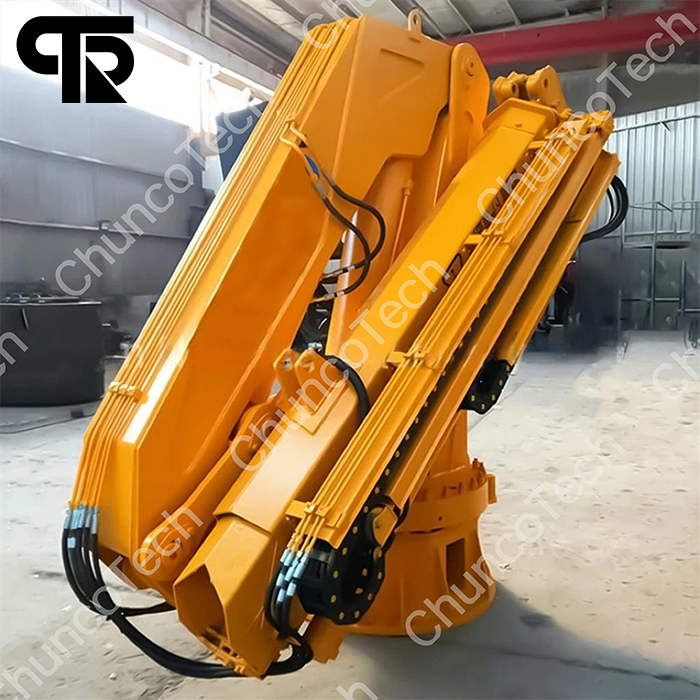 STS Crane (Ship-to-Shore Container Gantry Crane)