Throughout enduring chronicles,
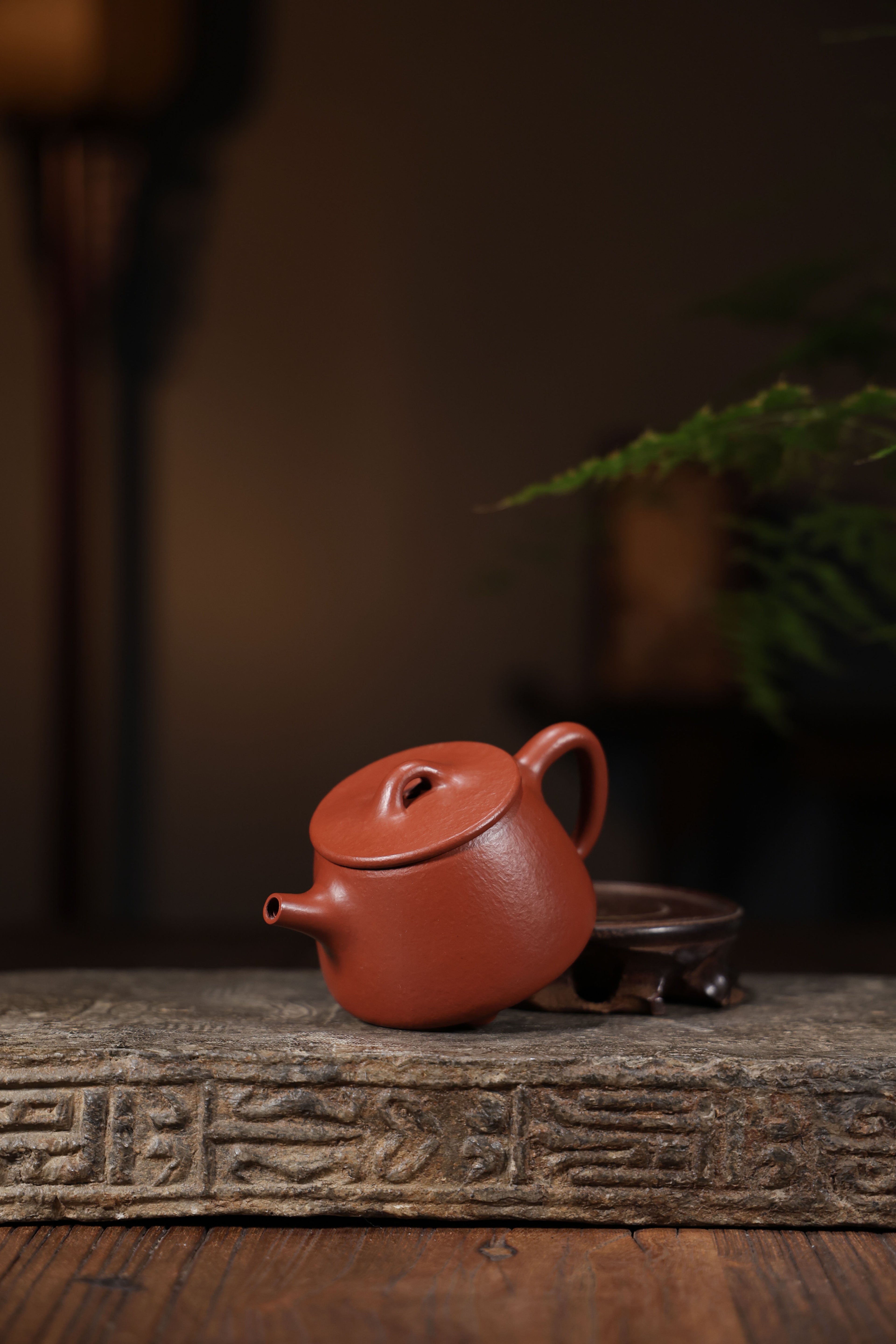
Throughout periods, devotees have been engaged by the distinctive charm of Yixing Zisha containers. Originating from the district of Yixing in China, these artifacts are renowned for their preeminent beauty, extraordinary clay, and congenital ability to enhance the taste of the drink. The substrate's distinctive mahogany hue, combined with the adept manufacture of environmental fabricators, creates objects that are as functional creations and prized valuables. Acquiring a Zisha teapot is more than just a purchase; it's seizing a rich ethnic heritage.
Grasping Yixing Teapots: History, Models, and Importance
Yixing region's teapots constitute a rich tradition deeply intertwined with Chinese culture. Beginning in the Yixing region of Jiangsu province, these clay vessels possess a heritage extending back to the Ming Dynasty. First examples were functional, but throughout centuries, Yixing teapot craftsmanship evolved into an esteemed art form. The clay itself, known for its unique porosity and ability to refine the flavor of the tea, lasts a defining factor. Yixing teapots emerge in various types, broadly categorized by shape: Standard such as Zhuni (purple clay) and Bisheng, as well as unique designs. The worth of a Yixing teapot is on several factors, including the potter’s acclaim, the age of the piece, the rarity of the clay, and its aesthetic beauty.- Chronology: Founding era
- Material: Zhuni (purple clay)
- Worth Components: Age
Zisha Claycraft: Approaches and Artists
The assembly of a legitimate Zisha teapot is a demanding process, requiring multiple cycles of knowledge. Experienced artisans meticulously select the premier Zisha clay, a specialized earth found only in specific regions of China. Traditional techniques, often relayed through families, involve meticulous shaping, subtle carving, and deliberate firing in ancient ovens. The culminating teapot isn't merely a holder; it's a testament to creative vision and the weighty connection between the craftsman and their lineage. Each object showcases the individual touch of the creator, resulting in a truly unique work of design.
A Craftsmanship: Uncovering the Comprehensive Legacies of Yixing
Famous Yixing, located in Jiangsu the district, is globally renowned for its exceptional ceramics – a tangible representation of centuries of Chinese creative legacy. These aren't merely vessels for making tea; they are intricate Purple Clay Teapot works of craft, often reflecting historical ideals. Such unique purple clay, known as Zisha, possesses exceptional qualities: the compound dense, porous, and imparts a subtle note to the tea.
- Multitudinous dynasties have honed the techniques of Yixing jar making, passing down exclusive methods through families.
- Admirers prize these pieces for their beauty and infrequency.
- Individual teapot tells a narrative, connecting the recipient to a rich past.
Exploring Yixing Zisha: Key Considerations
During analyzing procuring Yixing Zisha vessels, countless parameters command careful attention. Initially, the soil's tint is paramount; authentic Zisha traditionally exhibits a unique earthy tinge. What's more, review the production; detailed details and a refined texture demonstrate expert production. At last, study the fabricator's prestige; reputable names yield higher prices and often offer a more investment.
The Art of Brewing Tea with a Zisha Teapot
Brewing delicious tea with a Zisha teapot is more outstripping a simple custom; it's an skill. Zisha clay, acclaimed for its unique chemical composition, imparts a soft character to the composed tea that’s often not found with other vessels. The correct water heat is vital; typically, moderated than what's used for black tea, to save the tea's essence and quality. Consider conscientiously the tea kind; delicate green teas or aged pu-erhs excel from the Zisha’s ability to tone down their intrinsic edge. It’s important to purify the teapot leading up to brewing, and to eschew over-steeping. Mastering this method leads to a genuinely exceptional tea phenomenon.
- Appreciating Zisha Clay
- Water Warmth & Kind of Tea
- Value of Warming Up
Maintaining Your Esteemed Earthenware
So as to guarantee the persistence of your treasured Yixing earthenware, careful maintenance is fundamentally crucial. Never using abrasives; instead, mildly rinse it with comfortably warm solution. Ward off rapid heat; please don't put the ceramic pot directly onto a scorching support. Periodically, enhance the teapot by percolating it with fine refined infusion, as this improves to improve its profile and defends the exclusive traits of the dirt.
About Element to Mug: The Transition of a Purple Kettle
The creation of a Zisha teapot is a impressive process, a proof to both nature's bounty and the ability of the handworker. It commences with the thorough extraction of the unique clay from the magenta Zisha mines by Yixing. This unfired material, known for its remarkable essences, is then gradually filtered and organized for the primary forming. The jug's shape is carefully built using a concoction of ancient modeling strategies, often incorporating intricate embellishments. Following ripening, the jug undergoes a critical first firing, preceded by a varnishing stage, which might involve countless layers of natural Zisha coatings. Finally, a second, and sometimes third, firing at elevated temperatures finishes the manufacture, revealing its resolved beauty and wonderful characteristics - a authentic masterpiece, set to beautify a tea session.
{Yixing Teapots: A Exemplar of a Culture and Admiration
Renowned Yixing teapots, originating from the well-known Yixing region of Jiangsu province, are far more than mere wares for brewing liquids; they represent a substantial aspect of Chinese society. Manufactured from distinctive purple clay – zisha – these distinctive teapots are highly prized for their ability to enhance the flavor of the tea and, crucially, for their aesthetic appeal. The legacy of Yixing teapot making spans centuries, and the craft involved is inherited through generations, making each teapot a beautiful object that embodies classical techniques and a profound appreciation for the refined pleasures in life.