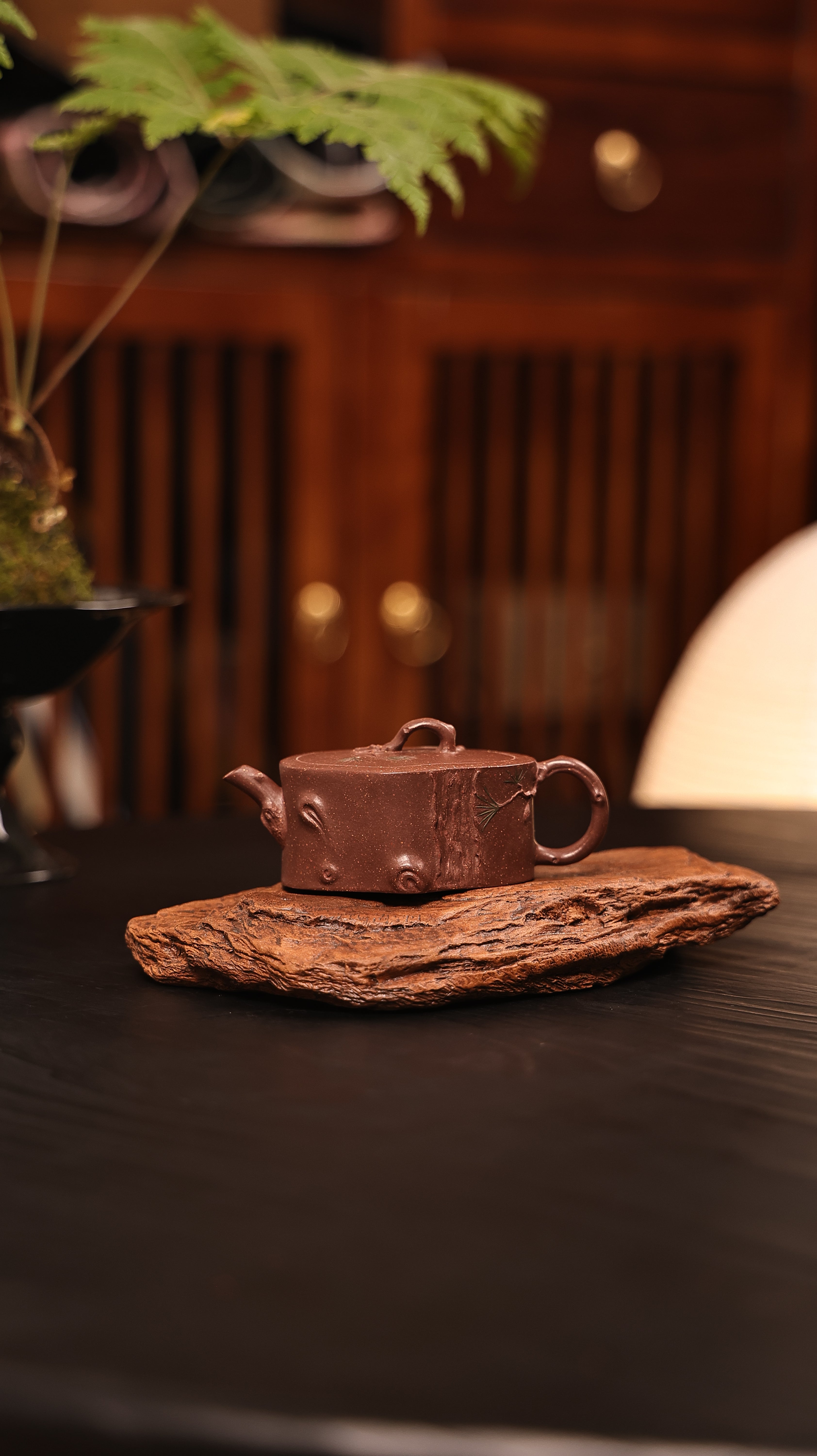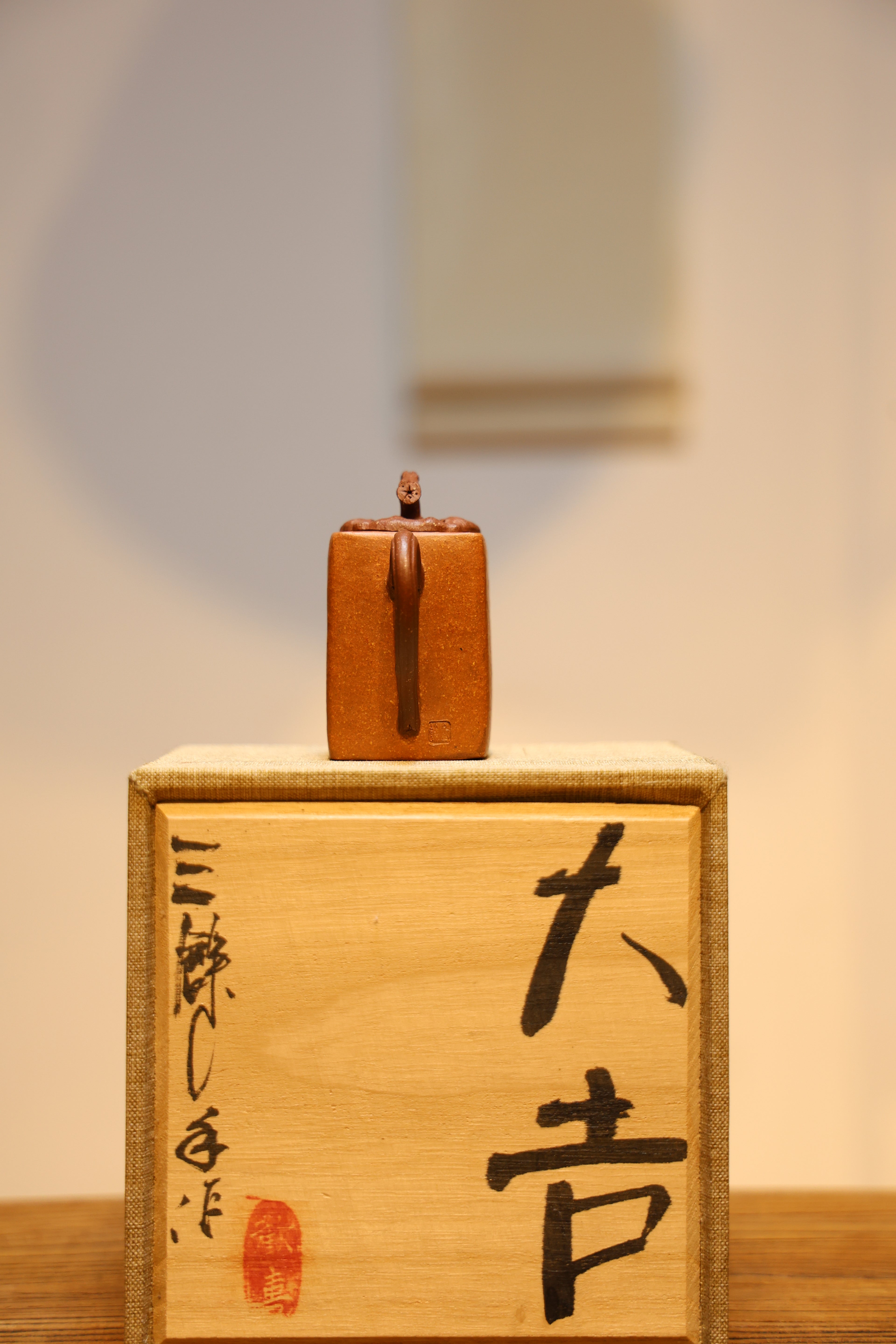
Across the expanse of historic epochs,
Within ages, devotees have been engaged by the unique charm of Yixing Zisha kettles. Originating from the locality of Yixing in the eastern province, these implements are renowned for their preeminent beauty, exclusive clay, and fundamental ability to raise the palate of the liquor. The element's distinctive burgundy hue, combined with the masterful fabrication of native makers, creates items that are as functional artwork and valuable financial interests. Securing a Zisha teapot is more than just specific purchase; it's welcoming a rich legacy heritage.
Exploring Yixing Teapots: Background, Types, and Cost
Celebrated Yixing teapots serve as a deep legacy deeply intertwined with Chinese culture. Beginning in the Yixing region of Jiangsu province, these clay vessels carry a heritage connecting back to the Ming Dynasty. Primary examples were functional, but during centuries, Yixing teapot making evolved into an esteemed art form. The clay itself, known for its unique vitality and ability to boost the flavor of the tea, stays a defining factor. Yixing teapots come in various kinds, broadly categorized by shape: Standard such as Zhuni (purple clay) and Bisheng, as well as unique designs. The importance of a Yixing teapot rests on Yixing Teapot several factors, including the potter’s name, the age of the piece, the rarity of the clay, and its aesthetic appeal.- Record: Founding era
- Clay: Assorted selections
- Assessment Factors: Artisan fame
Zisha Craftsmanship: Skills and Artisans
The fabrication of a superior Zisha teapot is a detailed process, requiring long spans of experience. Seasoned artisans meticulously choose the prime Zisha clay, a rare earth found only in specific regions of China. Heritage-based techniques, often transmitted through families, involve exact shaping, refined carving, and unhurried firing in ancient ovens. The end teapot isn't merely a pot; it's a testament to expressive vision and the significant connection between the artisan and their legacy. Each creation showcases the individual touch of the craftsman, resulting in a truly rare work of pottery.
Classical Ceramics: Delving into the Rich Legacies of Yixing Domain
The Yixing City, found in Jiangsu Province, is universally renowned for its exceptional containers – a tangible representation of centuries of Chinese craft. These aren't merely vessels for making tea; they are intricate works of creativity, often reflecting cultural ideals. This unique purple clay, known as Zisha, possesses notable qualities: it dense, permeable, and imparts a subtle essence to the tea.
- Multitudinous dynasties have honed the techniques of Yixing vessel making, passing down time-honored methods through successions.
- Enthusiasts prize these pieces for their appearance and oddity.
- Individual teapot tells a history, connecting the consumer to a rich tradition.
Considering Yixing Zisha: Essential Tips
While looking into buying Yixing Zisha ceramics, diverse points command careful assessment. Firstly, the earth's tone is important; authentic Zisha commonly exhibits a particular carmine nuance. What's more, review the execution; meticulous elements and a silky covering signify proficient production. To finish, examine the craftsman's record; noted names bring increased values and often offer a valuable dividend.
Crafting Tea with Zisha Clay Vessels
Preparing delicious tea with a Zisha carafe is more over a simple practice; it's an mastery. Zisha clay, known for its unique mineral composition, imparts a elegant character to the crafted tea that’s often not found with other pots. The proper water thermal condition is fundamental; typically, less intense than what's used for black tea, to retain the tea's aroma and quality. Consider diligently the tea selection; delicate green teas or aged pu-erhs benefit from the Zisha’s ability to lessen their original edge. It’s necessary to warm the teapot leading up to brewing, and to refrain from over-steeping. Mastering this approach leads to a undeniably exceptional tea event.
- Grasping Zisha Clay
- Water Temperature & Type of Brew
- Role of Pre-treatment
Preserving Your Esteemed Container
For the purpose of extend the durability of your precious Yixing earthenware, careful care is critically essential. Abstain from using detergent; instead, tenderly clean it with mildly heated fluid. Ward off abrupt temperature; please don't situate the kettle directly onto a glowing platform. Periodically, develop the kettle by processing it with excellent refined infusion, as this facilitates to enhance its essence and protects the inimitable essentials of the substance.
Dealing with Earthenware to Goblet: The Voyage of a Purple Kettle
The creation of a Zisha teapot is a exceptional approach, a demonstration to both the planet's bounty and the skill of the maker. It launches with the exact extraction of the special clay from the mauve Zisha mines not far from Yixing. This unfired material, known for its extraordinary peculiarities, is then patiently refined and configured for the foundational forming. The pot's contour is artfully formed using a combination of time-honored molding strategies, often incorporating sophisticated patterns. Following settling, the jar undergoes a fundamental first firing, subsequent by a glazing stage, which might involve various layers of earthy Zisha applications. Finally, a second, and sometimes third, firing at robust temperatures renders the composition, revealing its final beauty and wonderful characteristics - a genuine masterpiece, prepared to adorn a tea event.
{Yixing Teapots: A Manifestation of the Legacy and Tribute
Legendary Yixing teapots, originating from the noted Yixing region of Jiangsu province, are far more than mere jars for brewing infusions; they represent a profound aspect of Chinese culture. Crafted from distinctive purple clay – zisha – these unique teapots are highly prized for their ability to enhance the flavor of the tea and, crucially, for their splendor. The history of Yixing teapot making spans centuries, and the know-how involved is relayed through generations, making each teapot a cultural artifact that embodies lasting techniques and a profound appreciation for the pure pleasures in life.